Across Gujarat — from industrial estates and textile clusters to refineries, warehouses, container compounds and institutional campuses — CCTV cameras have become a standard fixture. Walk around any large establishment and you will see them mounted around entrances, inside halls, along perimeters. Screens glow inside control rooms. Live feeds stream continuously. It looks secure. Yet here is a simple question that often unsettles decision-makers:
If your organisation has 50, 100 or even 300 cameras installed — who is ensuring that every single one is recording properly today? Not just switched on, not just showing live view, but actually recording, storing and retrievable when needed.
MANY LEADERS PAUSE WHEN ASKED THIS
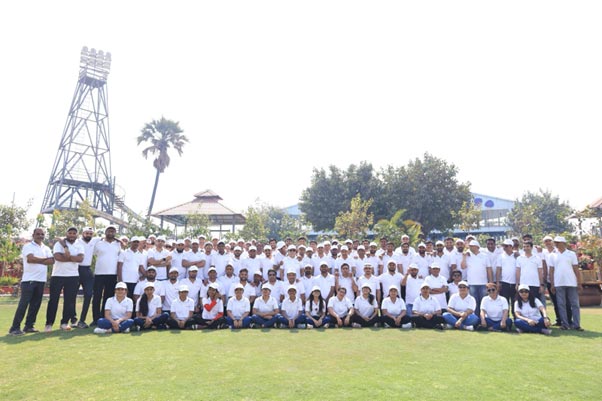
For more than three decades, Transit Electronics Ltd has worked across airports, defence establishments, factories, ports, oil-and-gas installations, pipelines, industrial campuses and large commercial environments — serving projects from ONGC to the Port of Visakhapatnam.
Founded in 1992 and led by Managing Director Dipesh Dasadia, the Gujarat-headquartered company has observed a recurring pattern:
- Systems are installed
- Then assumed to be working
- Until the day they are needed most
NOT JUST CCTV — INTEGRATED INFRASTRUCTURE
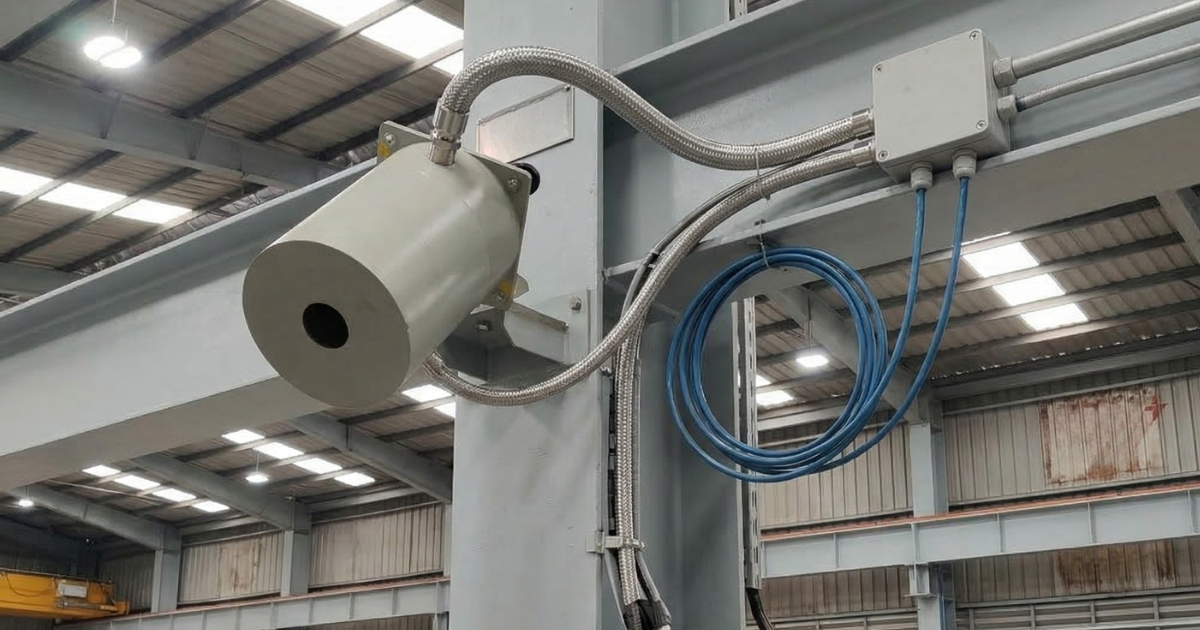
Transit is often associated with CCTV. But the company’s work extends far beyond cameras. Over the years, it has delivered integrated infrastructure solutions including: Industrial CCTV and surveillance systems, Access control and perimeter security, Fire detection and life-safety systems, Networking and structured cabling, Command and control room integration, and Complete ELV (Extra Low Voltage) systems. In complex environments especially airports, defence sites, steel plants and smart city projects — these systems cannot operate in isolation. They are designed to function as a coordinated ecosystem. Decision makers know it is not about a single device. It is about integration.
“In the 1990s, security meant installing cameras and deploying guards,” says Dasadia. “Today, it means designing integrated systems that are monitored, maintained and accountable. Installation is only the first step.”
THE SILENT RISK IN LARGER ESTABLISHMENTS
For settings with 5 to 10 cameras, manual supervision may still work. But once an establishment crosses 15 cameras — especially across multiple buildings, floors or locations — the problem becomes complex. Common realities include:
- A few cameras stop recording quietly
- Storage fills up without notice
- Backup configurations fail
- Overwritten footage prevents archiving
- Firmware remains outdated
- Network connectivity drops
- Everything appears normal
- Screens show live images
- Guards watch monitors
- But recording integrity is uncertain
- Until something happens
- There is theft
- There is a fire
- There is a safety incident
- There is an insurance claim
- There is an investigation
And then someone says: “Footage available?” The answer in that moment is not merely a hardware failure. It is a monitoring failure.
WHY AMC ALONE IS NOT ENOUGH
Most organisations operate under an Annual Maintenance Contract (AMC). But the structure of that AMC determines the level of accountability. Is it preventive — or reactive? Does someone regularly verify:
- Are all cameras recording properly?
- Is storage operating with compliance timelines?
- Is backup functioning correctly?
- Is system performance at monitoring level?
IS NETWORK CONFIGURATION SECURE?
Or does service begin only after a complaint is raised? Assuming that your system works is not protection, says Dasadia. Verifying that it works — that is protection. Service has to be a foresight, not an afterthought.
In manufacturing, no one waits for a critical machine to break down. Monitoring security infrastructure deserves the same seriousness.
CCTV, access control, fire detection and networking must operate as an integrated ecosystem. When designed together and monitored collectively, visibility improves, response times shorten, and accountability strengthens. When handled separately, gaps emerge. Optimisation — not just installation — becomes the differentiator.
eRAKSHAK — AN ONLINE GUARDIAN FOR LARGE SYSTEMS
Recognising the gap between installation and governance, Transit structures a remote monitoring framework known as eRakshak. In simple terms, it acts as an online guardian for security systems. Industries monitor machinery to prevent breakdowns. Security systems also require structured oversight to prevent silent failures. The eRakshak system focuses on: Recording verification, Storage health checks, Preventive inspection review, Preventive diagnostics, Retention protocols.
For establishments operating 50+ cameras, multi-site facilities or high-value environments, such structured monitoring becomes essential. As systems grow larger, manual checking becomes harder. And the cost of failure becomes higher — financially, legally and reputationally.
INTEGRATED PROTECTION FOR COMPLEX ENVIRONMENTS
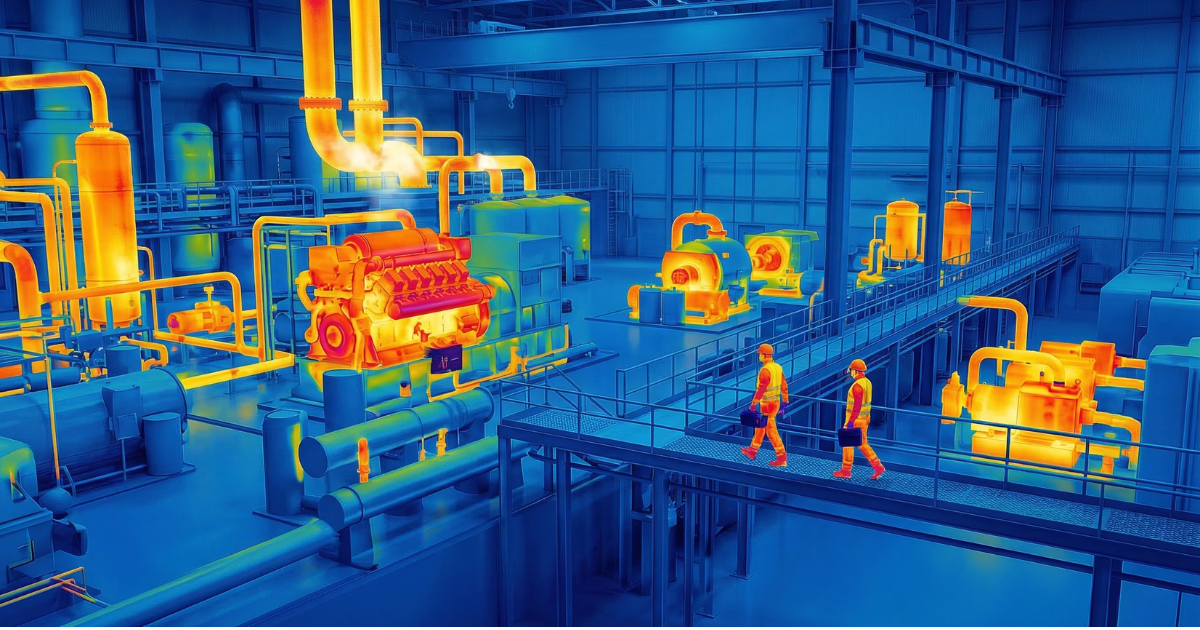
Transit’s experience across defence infrastructure, airports, multi-site deployments, steel plants and refineries has reinforced a crucial lesson: Security systems cannot function in silos.
THE DIGITAL DIMENSION BUSINESSES UNDERESTIMATE
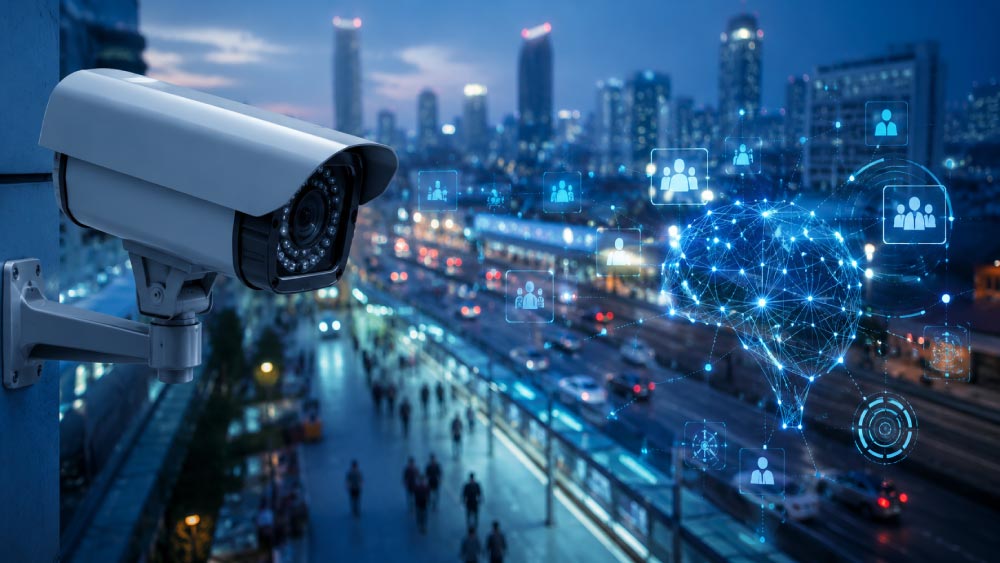
Another shift many organisations overlook is the digital nature of modern surveillance. Today’s CCTV systems are IP-based network endpoints. They store data, they transmit data, they sit on enterprise networks. If not configured responsibly, they can create vulnerabilities. Weak passwords, misconfigured configurations and outdated firmware can expose organisations. Transit has therefore expanded its focus to include digital security — ensuring that devices are properly configured, segmented and maintained within the broader IT environment. Nothing overly technical. Well-structured, responsible oversight. Because in 2026, security is not only physical — it is physical plus digital.
INTELLIGENT MONITORING, NOT JUST INSTALLATION
Artificial intelligence is gradually entering surveillance ecosystems. In practical terms, this means: Alerts for unusual movement, Notifications for restricted zones, Support for safety compliance monitoring, Automated flagging of potential incidents. AI does not replace human judgment — it strengthens it. In large industrial or infrastructure environments, intelligent alerts reduce response time and improve operational accountability. But even AI tools require a foundation of stable infrastructure. Technology must stand on reliable foundations.
THREE DECADES OF EVOLUTION
Since 1992, Transit Electronics has evolved alongside India’s industrial expansion. From standalone installations to IT ecosystems, from standalone installations to integrated ELV networks.

Dipesh Dasadia, Managing Director, Transit Electronics Ltd. | www.transit.co.in
A SIMPLE SELF-CHECK FOR GROWING ENTERPRISES
If your establishment operates more than 50 cameras, ask internally:
- Who verifies today that every camera is recording properly — and that the network layer is secure?
- If the answer is unclear, the risk is real
- Protection is not about how many cameras are mounted. It is about:
- It is about how reliably they function every single day
- As industries grow larger, more complex and multi-site, their approach to security must mature as well
- Security has to be a foresight, not an afterthought
- Service has to be a foresight, not an afterthought
- Because true protection is not about installation
- It is about ensuring they are alive, integrated and ready — every single day
From reactive service models to monitoring-led frameworks. Across increasingly demanding sectors and geographies has reinforced one core understanding: Infrastructure requires more than just systems. And infrastructure requires continuous oversight. This long-term perspective positions Transit not merely as an installer, but as a security infrastructure partner.